cation bed
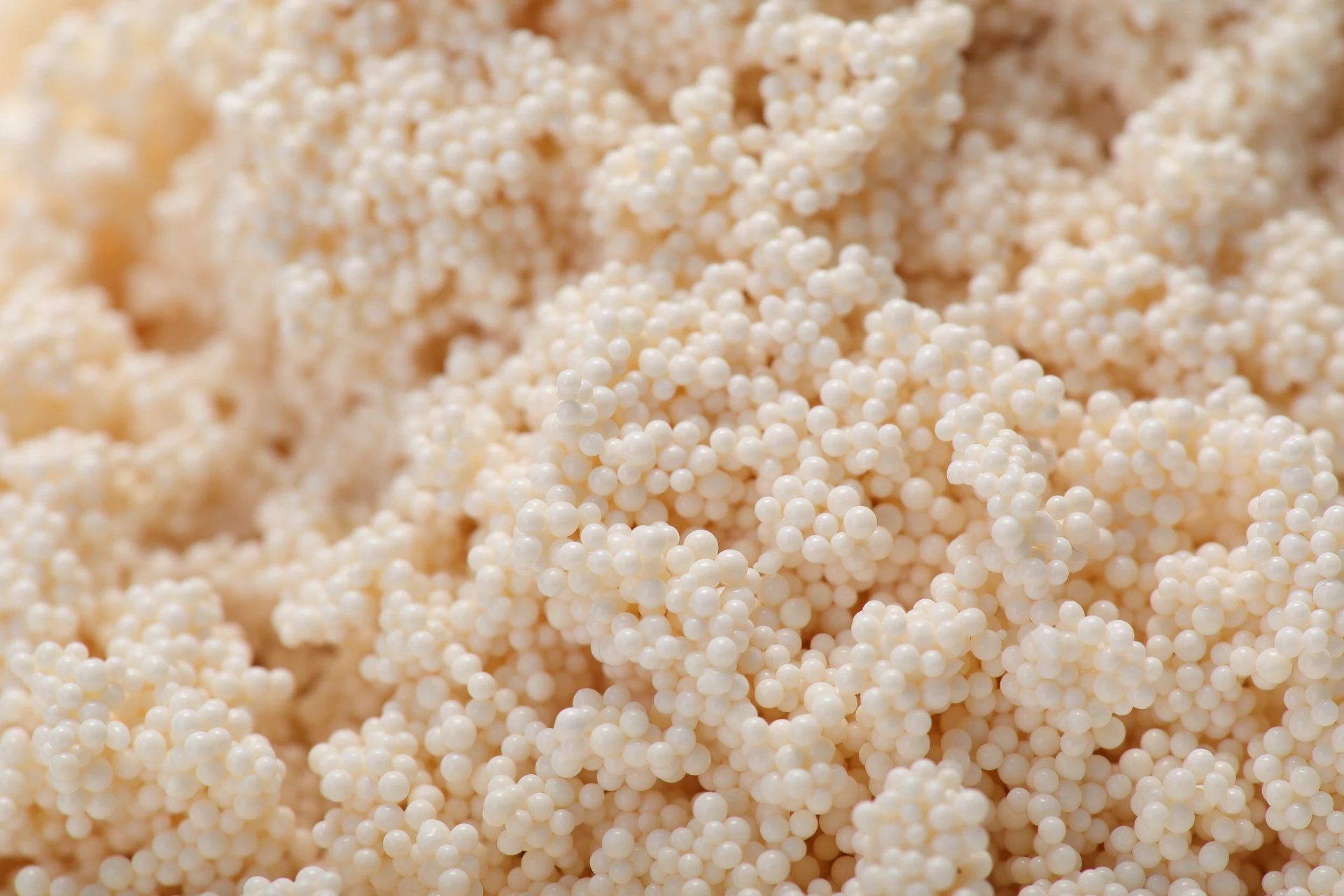
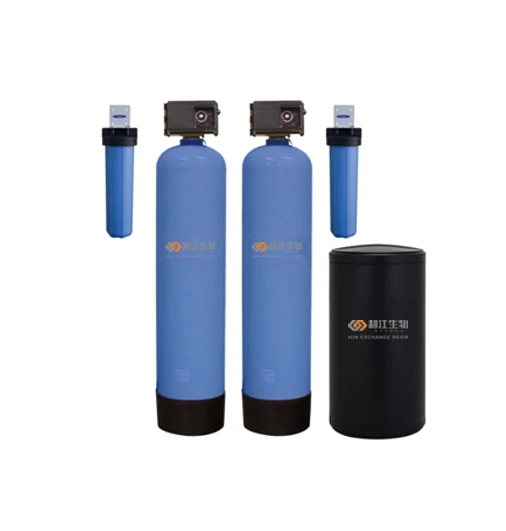
What Is a Cation Bed and Why Should We Care? If you've ever peeked behind the scenes of water purification or chemical processing industries, you might have encountered a term that sounds a bit obscure but it’s actually pivotal: cation bed . Understanding what a cation bed is offers insight into how we clean water, remove unwanted metals, or even protect delicate processes in manufacturing. In a world increasingly focused on sustainability, efficient resource use, and safe drinking water, knowing about cation beds isn't just technical jargon — it's a glimpse into how modern industry tackles global challenges. Why does this matter on a global scale? According to the United Nations, nearly 2.2 billion people lack access to safely managed drinking water. Technologies that involve ion exchange, like cation beds, can play a key role in closing that gap. Plus, industries worldwide rely on these systems to treat wastewater before releasing it back to the environment, helping reduce pollution. The Global Role of Cation Beds The cation bed, often seen within ion exchange systems, finds wide relevance from bustling industrial zones in China to remote water treatment facilities in Sub-Saharan Africa. The World Bank estimates that proper water treatment infrastructure reduces health risks and boosts productivity, and ion exchange resins—used in cation beds—are often the unsung heroes in that mission. However, a major challenge the industry faces is balancing cost, efficiency, and environmental footprint. With millions of liters of wastewater produced daily, robust yet affordable solutions like cation beds become essential. Without them, pollution would exacerbate, especially in emerging economies where regulations might lag behind rapid industrial growth. Defining the Cation Bed Simply put, a cation bed is a packed cartridge or column filled with ion exchange resin beads tailored to attract and hold positively charged ions (cations) from water or chemical mixtures. As water flows through, these beads swap unwanted cations (like calcium, magnesium, iron, or heavy metals) for more benign ones—often sodium or hydrogen ions. This process cleans or softens the water, making it ideal for industrial use, drinking, or further chemical processing. The beauty is in the subtle chemistry underlying everyday operations. Whether it’s protecting boilers from scaling or enabling pharmaceutical-grade water purity, cation beds quietly do their job behind the scenes. Inside a Cation Bed: Key Aspects That Matter 1. Resin Quality and Durability The effectiveness of a cation bed hinges on the resin beads inside. High-quality resins resist degradation, swelling, or fouling, meaning the system lasts longer and requires less maintenance. Roughly, premium resins can sustain thousands of regeneration cycles before needing replacement. 2. Capacity and Throughput How many ions can the bed capture per liter of resin? This factor dictates how often regeneration occurs and overall efficiency. Industrial setups usually balance between large capacity beds and flow rates, ensuring treatment keeps pace with demand without losing quality. 3. Regeneration Method & Frequency After ion exchange, the resin becomes saturated and must be regenerated, often with salt solutions or acids. Efficient regeneration minimizes downtime and reduces chemical waste—key for eco-conscious operators. 4. Scalability & Customization From tiny lab-scale columns to mammoth industrial vessels, cation beds come in myriad sizes and can be engineered with specific resin types to target different contaminants. This adaptability means diverse industries — from beverage production to mining — can get the exact performance profile they require. 5. Cost Efficiency & Maintenance Operational cost is always on a plant manager’s mind. Cation beds designed for easy regeneration, minimal resin loss, and straightforward maintenance routines tend to have lower total cost of ownership. Plus, modular designs sometimes allow swapping beds without halting entire systems. Practical Applications Around the World Industries and public services alike use cation beds globally. Here are a few notable examples: Municipal Water Treatment: Cities in Europe and North America implement cation beds to soften hard water, reducing plumbing corrosion and improving taste. Power Plants: Steam boilers depend heavily on softened water to prevent scale. A reliable cation bed here can save millions in maintenance costs. Disaster Relief: In post-disaster zones, portable cation bed units are key to restoring potable water quickly. NGOs often deploy such tech where infrastructure is destroyed. Mining and Metallurgy: Removing harmful ions before discharge reduces environmental footprint and even recovers valuable metals. Pharmaceutical Manufacturing: Ultra-pure water is a must, and cation beds combined with other ion exchangers help meet stringent quality standards. Takeaway: The versatility of cation beds makes them crucial from humanitarian crises to factory floors. Advantages and Why They Last Apart from technical merits, cation beds offer tangible benefits: Cost-Effective Water Treatment: They prevent scale that damages equipment, meaning fewer repairs and longer lifespans. Environmentally Friendly: Regeneration chemicals can be recycled, and modern resins often come from sustainable materials. Reliable & Predictable: Many engineers I spoke to mentioned confidence in cation beds’ steady performance under harsh conditions. Social Impact: Access to cleaner water where cation beds are deployed directly improves community health and well-being. Oddly enough, these systems feel like unsung infrastructure heroes — perhaps because they're out of sight — but the trust and peace of mind they provide is invaluable. Looking Forward: Innovations on the Horizon The future isn’t just about resin beads sitting quietly in columns anymore. Here's what’s trending: Green Resin Materials: Researchers focus on biodegradable and recyclable polymer beads to reduce plastic pollution. Digital Monitoring & IoT: Sensors now report real-time resin saturation, predicting regeneration needs before issues arise. Automation: Automated systems reduce human error, speed up regeneration cycles, and optimize chemical usage. Hybrid Systems: Combining cation beds with membrane tech or advanced oxidation processes to treat complex waste streams. Clearly, cation bed technology isn’t static — it’s evolving alongside environmental policies and technical demands. Common Challenges and How Experts Solve Them Like any technology, cation beds come with quirks: Fouling by Organics: Can clog resins; mitigated by pre-filtration and resin design tweaks. Regeneration Waste: Disposing of spent chemicals safely is tricky; many plants now recycle brine solutions. Cost of High-Quality Resins: Sometimes upfront prices deter adoption. Bulk purchasing and longer resin life help offset this. Scale of Use: Small facilities struggle to justify large investments; modular units provide flexibility. Experts recommend regular maintenance, monitoring, and integrating new tech to keep issues at bay. Product Specification Table: Typical Cation Bed Resin Parameter Typical Value Unit Notes Resin Type Strong Acid Cation Exchange – Sulfonated polystyrene Particle Size 0.3 - 1.2 mm Affects flow rate and pressure drop Capacity (dry) 1.8 - 2.2 Eq/L Equivalent per liter Moisture Content 50 - 60 % Wet weight basis Operating Temperature 5 - 100 °C Limits vary by resin type Regeneration Chemical NaCl (salt) g/L Typical brine solution Vendor Comparison: Leading Cation Bed Suppliers Vendor Resin Quality Customization Price Range Support & Service ResiPure Co. High-grade, long-life Extensive (tailored resins) $$$ 24/7 global support AquaIon Systems Standard commercial grade Moderate (size & resin types) $-$$ Business hours, regional EcoResin Ltd. Eco-friendly biodegradable Limited (focus on green products) $$ Technical consultation available LijiResin Premium quality, consistent Full customization & modular $$-$$$ Comprehensive international support Frequently Asked Questions About Cation Beds Q1: How often do cation beds need to be regenerated? A: Depending on water hardness and concentration of ions, regeneration cycles typically occur every few days to weeks. High-demand operations may regenerate daily, while smaller setups might regenerate weekly or longer. Automated sensors help optimize timing. Q2: Can cation beds remove heavy metals like lead or copper? A: Yes, cation exchange resins can effectively capture many heavy metals from water, making them useful for industrial wastewater treatment and protecting public water supplies. Q3: What is the lifespan of ion exchange resins in a cation bed? A: Properly maintained resin can last 8-15 years depending on usage, regeneration quality, and water conditions. Fouling or poor regeneration shortens lifespan. Q4: Is it complicated to maintain a cation bed system? A: While some technical knowledge is required, modern systems come with user-friendly controls and straightforward regeneration procedures. Routine checks and keeping regeneration chemicals stocked are key. Q5: How do I choose the right cation bed vendor? A: Consider factors like resin quality, customization options, support services, price, and delivery times. For critical uses, check vendor certifications and customer reviews. Wrapping Up — Why Cation Beds Still Matter In a nutshell, the humble cation bed quietly upholds vital processes across the globe. From ensuring safe drinking water to keeping industrial operations smooth, their role is indispensable. Innovations continue, making these systems greener, smarter, and more resilient — and that just feels like good news for us all. Curious to learn more or explore product options? Visit cation bed solutions at LijiResin for a deep dive into offerings that blend quality and sustainability. Here’s to cleaner water and smarter industry — quietly powered by cation beds! References: UN Water Facts on Scarcity World Bank: Water Resource Management Wikipedia: Ion Exchange
-
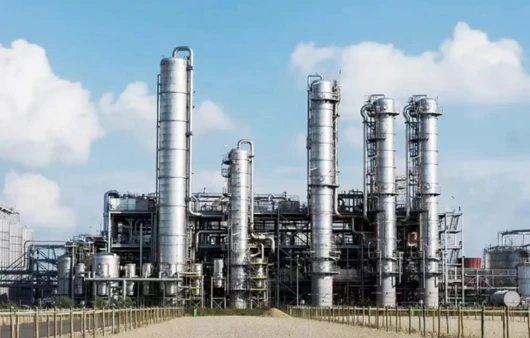
 Strong R & D Capability And Experienced Technical Team
-
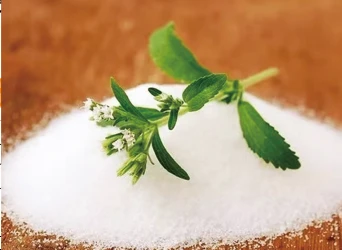
Provide Customers With Competitive And Differentiated Products